
The Post “Harry Potter Craze” Impact
After asking around for who has read the infamous Harry Potter, Becky Pashman said, “Who hasn’t read Harry Potter?"
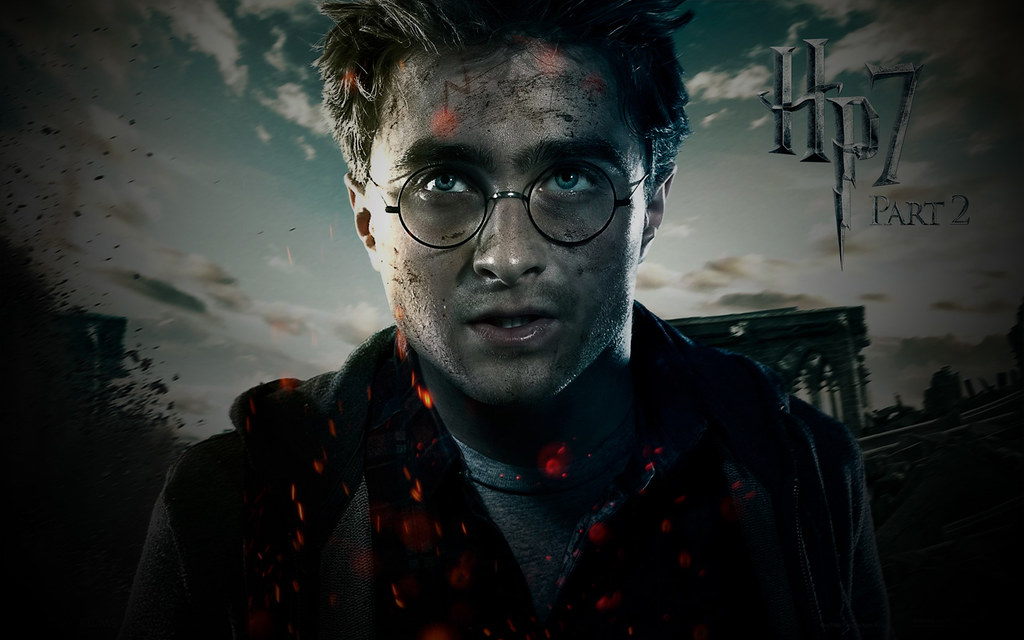
It's a good question. A lot of current high school students grew up in the peak of Harry Potter's popularity. Whether it was learning about the books from friends, finding the movies at theaters or on reruns, or an older millennial sibling passing down the books to you, there’s a high chance that you or your friends read Harry Potter.
When we were kids, it was easier to just gloss over political allegories and the more nuanced topics in favor of patiently waiting to see if Ron would ever get with Hermione, or how Harry would defeat Voldemort. Rereading it when you’re older, though, you can’t help but connect some of the political strifes of the series to real-life events during WWII, or even connect it to modern-day politics.
Rowling, the book’s author, had written in “... a previous evil tyrant by the name of Gellert Grindelwald, defeated in 1945, whose headquarters were in Austria,” as a nudge to Adolf Hitler during Nazi Germany, as Louise Perry said in her article “The Harry Potter Generation Needs to Grow Up”.
With these political allegories that go over children’s heads, Perry claims that there's been a drive away from liberal ideas in the Zoomer generation, believing that younger generations are either leaning towards more radical ideas, or a complete switch to conservative ideals. She explains this as happening because of a lack of reading the series or of following more radical ideas after experiencing what Gen Z grew up with.
When asked if she’s felt this sort of divide, HF student Isabella DiPaola gives a bit of a different perspective, saying, “I think that Harry Potter separated from J.K. Rowling is essentially a children’s story, one that has positive ideals of overcoming adversity, but when it's brought into the real world, that essential truth can be diluted.”
Whatever you believe about the book, it definitely has lasting beliefs. “When you’re young, you’re impressionable, so what you read when you’re young can influence your beliefs that you have when you’re older, and there’s definitely a difference between who has and hasn’t read Harry Potter,” says Becky Pashman.
Maybe reading the series doesn’t entirely define what you do or don’t believe in. But there’s still that belief held in our generation, that holds on no matter what. No matter how strongly you feel about politics, those ideas had to come from somewhere, and it's often from the books we read.